Differences Between Clutches, Brakes, and Couplings
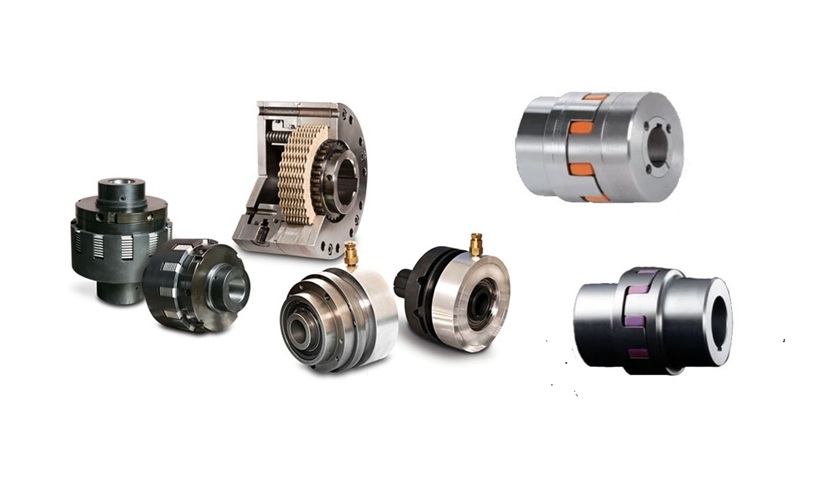
When it comes to mechanical systems, clutches, brakes, and couplings play crucial roles in transmitting power and controlling motion. Although they may seem similar, each component serves a distinct purpose and has its unique characteristics. In this article, we will explore the differences between clutches, brakes, and couplings, highlighting their functions, applications, and key differentiating factors. By understanding these differences, you will be able to choose the right component for your specific requirements.
Clutches
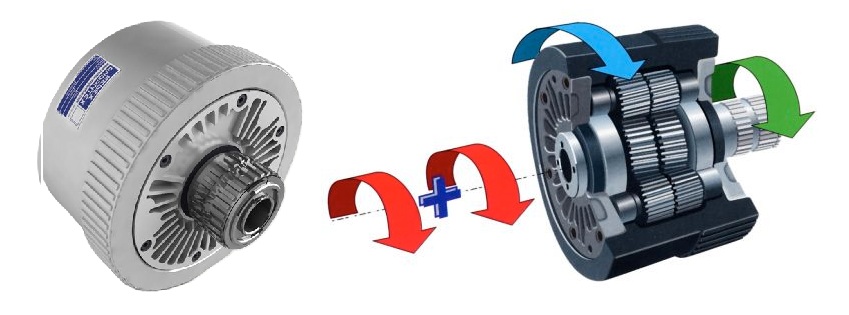
A clutch is a mechanical device used to transmit power between two rotating shafts. It allows for the temporary connection and disconnection of the shafts, enabling control over the transfer of power. Clutches are commonly found in various applications, including vehicles, industrial machinery, and power tools. They come in different types, such as friction clutches, electromagnetic clutches, and hydraulic clutches, each suited for specific applications.
Brakes
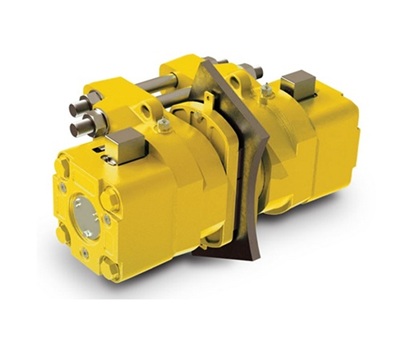
Brakes, on the other hand, serve a different purpose compared to clutches. Their primary function is to slow down or stop the motion of a rotating component or system. By applying friction or utilizing other braking mechanisms, brakes convert kinetic energy into heat, dissipating it to bring the motion to a halt. Disc brakes, drum brakes, and regenerative brakes are among the different types of brakes used in various industries and transportation systems.
Couplings
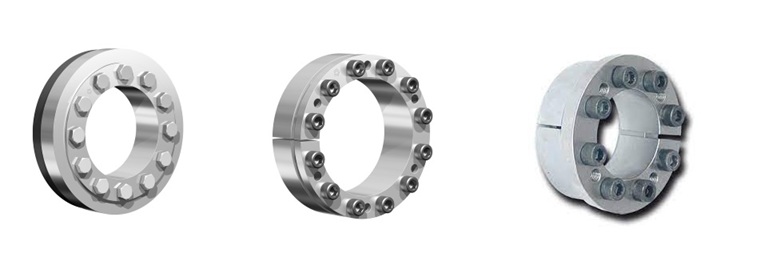
Couplings, similar to clutches, connect two shafts. However, their primary function is to transmit power continuously rather than selectively engaging and disengaging like clutches. Couplings provide a rigid or flexible connection between shafts, allowing for torque transmission and compensating for misalignments or vibrations. Different types of couplings, such as flexible couplings, rigid couplings, and fluid couplings, are used in different applications ranging from machinery to pumps and generators.
Differences between Clutches, Brakes, and Couplings
While clutches, brakes, and couplings share similarities in their role of transferring power and controlling motion, there are distinct differences between them. Let's explore these differences in terms of their function, operation, torque transmission, and applications.
Function
Clutches are primarily used to engage and disengage power transmission between rotating shafts, enabling smooth gear shifting and control over motion. Brakes, on the other hand, are responsible for stopping or slowing down rotational motion by converting kinetic energy into heat energy through friction. Couplings connect two shafts, compensating for misalignment and transmitting torque between them.
Operation
Clutches are operated manually or automatically, depending on the application. They can be engaged or disengaged by mechanical linkages, hydraulic pressure, or electromagnetic forces. Brakes are typically actuated by a pedal or lever, which activates a hydraulic system or electromechanical mechanism to generate braking force. Couplings operate continuously, allowing torque transmission between shafts.
Torque Transmission
Clutches are designed to transmit torque in one direction while allowing disengagement when necessary. They are optimized for transmitting power from a driving source to a driven component. Brakes, on the other hand, are focused on stopping or slowing down rotational motion, dissipating the kinetic energy as heat. Couplings transmit torque bidirectionally between shafts, compensating for misalignment and vibrations.
Conclusion
In conclusion, clutches, brakes, and couplings are fundamental mechanical components that play vital roles in power transmission, motion control, and safety. While they have similarities in their functions and applications, there are distinct differences between them. Understanding these differences is crucial for selecting the right component for specific systems or applications. Whether you need to engage and disengage power, stop rotational motion, or connect rotating shafts, clutches, brakes, and couplings provide the necessary solutions.
HVH Industrial Solutions is an authorized distributor of KTR, Stromag, Renold, Ringfeder, and many other world-class manufacturers of brakes, clutches, and couplings. We work closely with their engineering team to provide superior customer service and engineering support.
If you have any questions, write to us via live chat or call or send us a quote request. Our team is always ready to help you.
Requesting ... File size should not exceed 20 MB. Are you sure you want to delete file?