NEMA Motors vs. IEC Motors
What are NEMA Motors
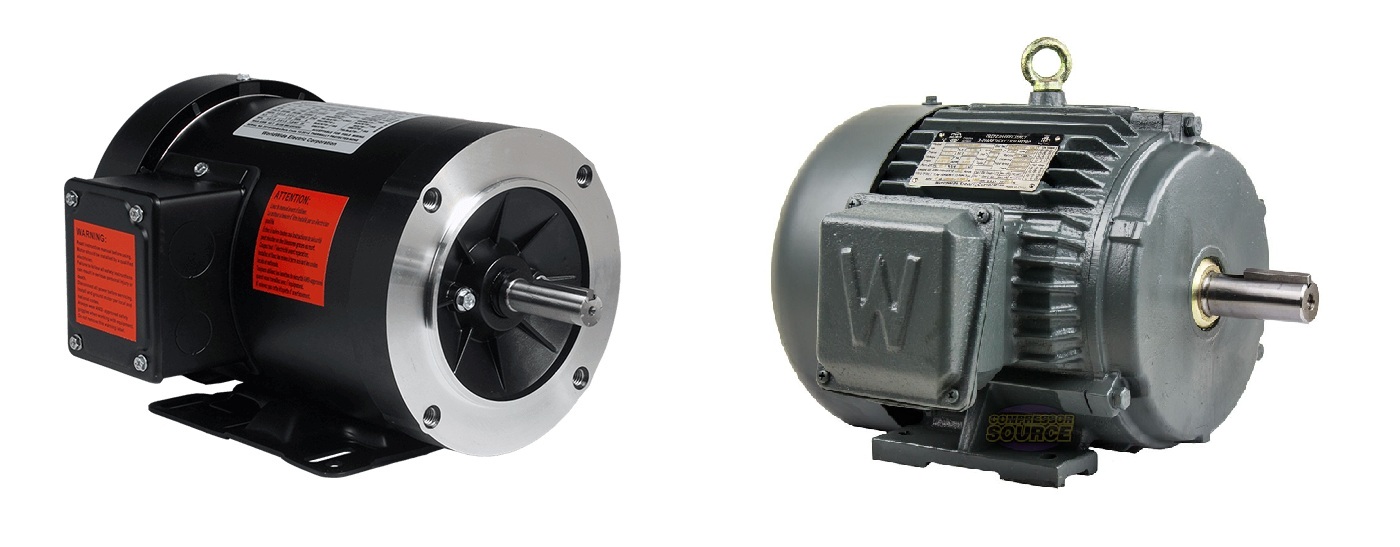
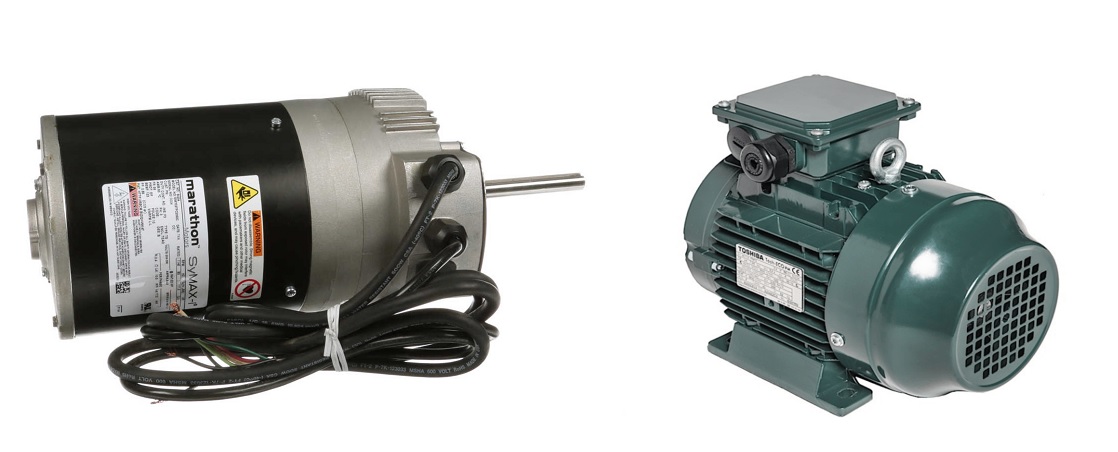
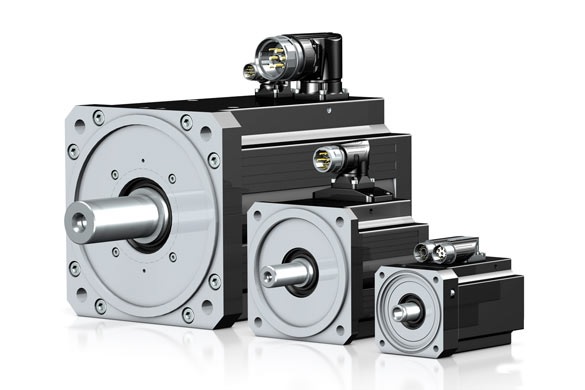
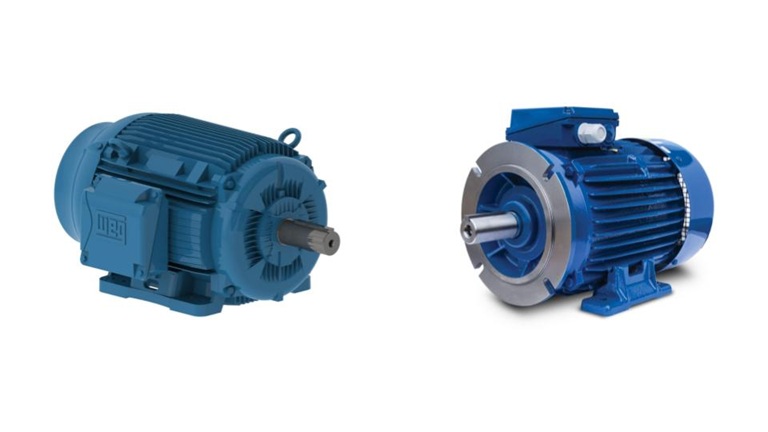
NEMA motors are a set of motor standards developed by the National Electrical Manufacturers Association. They are predominantly used in North America and follow specific design and performance guidelines. NEMA motors are known for their ruggedness, durability, and ability to withstand harsh operating conditions. They are available in various frame sizes, ranging from small fractional horsepower motors to large industrial motors.
Applications
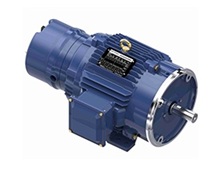
NEMA motors find extensive use in a wide range of industries, including manufacturing, HVAC (Heating, Ventilation, and Air Conditioning), water treatment, oil and gas, and many others. They are commonly used in pumps, compressors, fans, conveyors, and other machinery where high torque and reliable performance are essential.
Advantages and Disadvantages
NEMA motors offer several advantages, such as their robust construction, ease of maintenance, and availability of spare parts. They are also designed to handle high starting torque and heavy loads. However, NEMA motors tend to be larger and heavier compared to IEC motors, which can be a limiting factor in some applications. Additionally, the availability of NEMA motors may be limited in regions that primarily follow the IEC motor standards.
What are IEC Motors
IEC motors are standardized by the International Electrotechnical Commission, a global organization that sets electrical and electronic standards. These motors are widely adopted in Europe, Asia, and many other parts of the world. IEC motors are known for their compact size, efficiency, and standardized mounting dimensions.
Applications
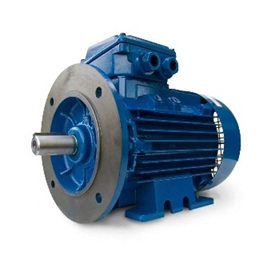
IEC motors are suitable for a broad range of applications, including industrial machinery, manufacturing equipment, and automation systems. They are commonly used in pumps, fans, compressors, and various other devices that require reliable and energy-efficient motor solutions.
Advantages and Disadvantages
One of the key advantages of IEC motors is their compact size, which allows for easy integration into equipment with limited space. They also tend to be more energy-efficient compared to NEMA motors, resulting in lower operating costs. However, IEC motors may not be as robust as NEMA motors and could be more sensitive to harsh environmental conditions. Additionally, in regions where NEMA motors are prevalent, the availability of IEC motors may be limited.
Comparison between NEMA and IEC Motors
Design and Construction
NEMA motors typically have a more robust and rugged construction, making them suitable for demanding industrial applications. On the other hand, IEC motors prioritize compactness and efficiency, making them ideal for space-constrained environments.
Power Ratings and Frame Sizes
NEMA motors are available in a wide range of power ratings and frame sizes, providing flexibility for various applications. IEC motors follow a more standardized approach, which simplifies the selection and interchangeability of motors within the same power range.
Service Factors
NEMA motors often come with service factors, which indicate the extra load capacity a motor can handle for short durations. This additional capacity ensures reliable performance under demanding conditions. IEC motors, on the other hand, generally do not include service factors, requiring careful consideration of the motor's continuous duty rating.
Efficiency and Performance
IEC motors are generally more energy-efficient than NEMA motors, which can result in significant energy savings over time. However, NEMA motors may have better performance characteristics in terms of starting torque and overload capacity.
Availability and Market Reach
NEMA motors are primarily used in North America, while IEC motors have a more global presence. The availability of NEMA motors may be limited outside of North America, whereas IEC motors are widely accessible in many regions.
Conclusion
In summary, both NEMA and IEC motors have their unique characteristics and applications. NEMA motors are known for their robustness and suitability for demanding industrial environments, whereas IEC motors excel in compactness, efficiency, and global availability. When selecting between NEMA and IEC motors, it is essential to consider specific application requirements, local standards, and availability to make an informed decision.
HVH Industrial Solutions is an authorized distributor of Marathon, LEESON, Worldwide Electric, Toshiba Motors & Drives, WEG, Brook Crompton, North American Electric, MGM Electric Motors, Elektrim Motors, Techtop Electric Motors, and many other world-class manufacturers that offer NEMA and IEC motors. We work closely with their engineering team to provide superior customer service and engineering support.
If you have any questions, write to us via live chat or call or send us a quote request. Our team is always ready to help you.
Requesting ... File size should not exceed 20 MB.