What are Servomotors: From DC to Advanced AC Variants
Introduction
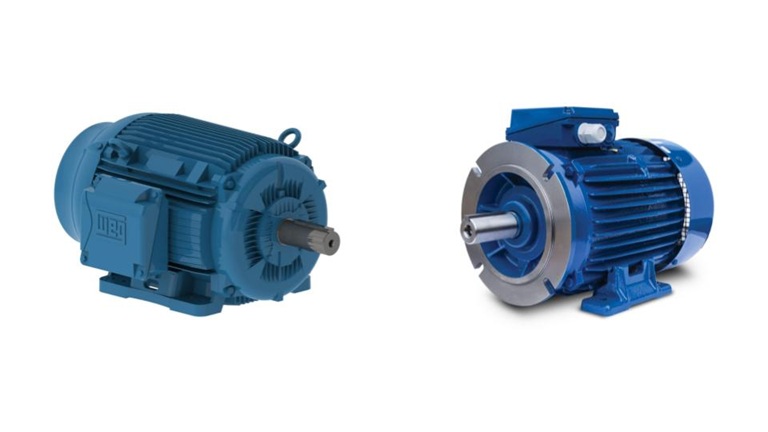
Servomotors, with their precise positioning, velocity, and acceleration capabilities, have become integral components in various applications, ranging from toys and automation control to robotics and electric vehicles. The journey of servomotors has seen significant advancements, transforming from simple DC servomotors to sophisticated AC servo variants. In this article, we will dive into the evolution of servomotors, exploring their origins, developments, and the diverse types available in today's industrial landscape.
Origins of Servomotors
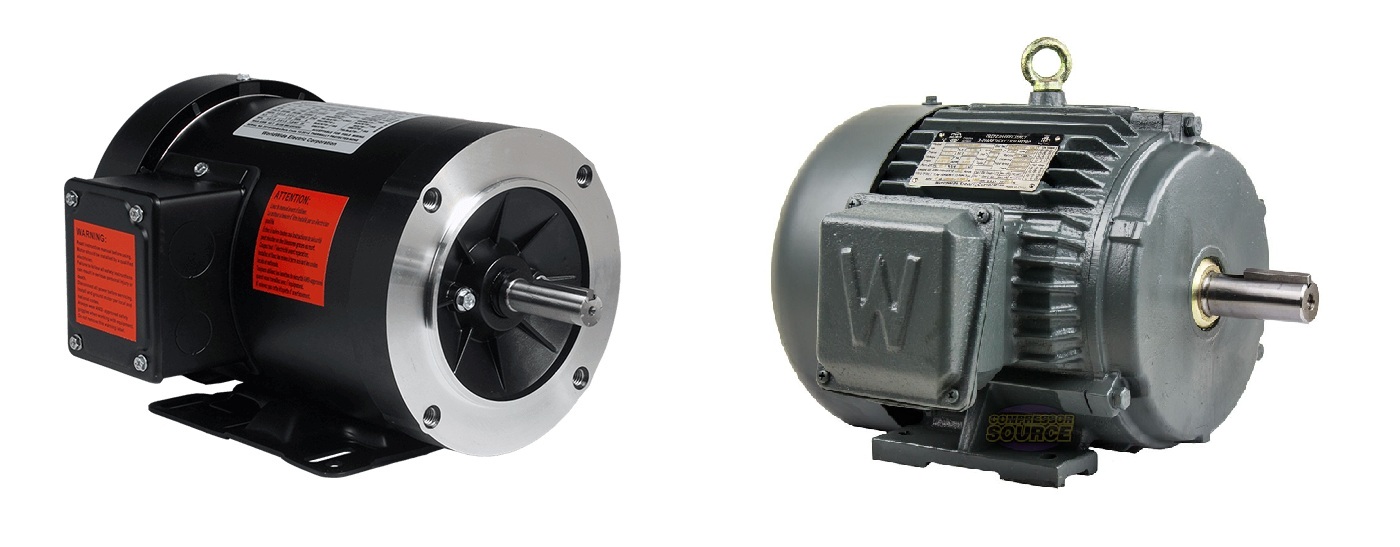
The initial servomotors consisted of a direct current permanent magnet and offered a simple method for controlling torque, consisting of a structure with a stationary magnet and rotating windings inside. However, this design had its own set of issues. To transfer electricity, spring-loaded carbon brushes came into contact with a commutator, which then supplied power to the windings. As the brushes wore down, they left behind debris that could build up and cause arcing of the commutator strips, leading to motor malfunctions. To avoid this, regular maintenance was required on DC brushed servomotors to prevent potential damage. To address these concerns and minimize the cost and risks associated with operating brushed servomotors, engineers developed the brushless servo system.
The brushless servo system marked a significant leap forward, emulating the structure of brush-type DC servomotors but with enhanced longevity. By incorporating encoders and brushless tachometers, this design achieved longer service intervals and laid the foundation for more powerful applications.
Advancements with AC Servomotors
The initial brushless design was limited to low-powered tasks, which led to the creation of the AC servomotor. This new motor utilized permanent magnets and sinusoidal back EMF, achieved through the use of skewed magnets and overlapping windings, a technique known as field-oriented or vector control. Today, AC servomotors are widely used in industrial settings due to their suitability for high-power applications and their ability to produce smooth torque. They operate by employing a split ring commutator with two separate sections connected to opposite poles of the motor, causing the windings' poles to change polarity and drive the motor.
Efficiency and Innovation in Motor Control
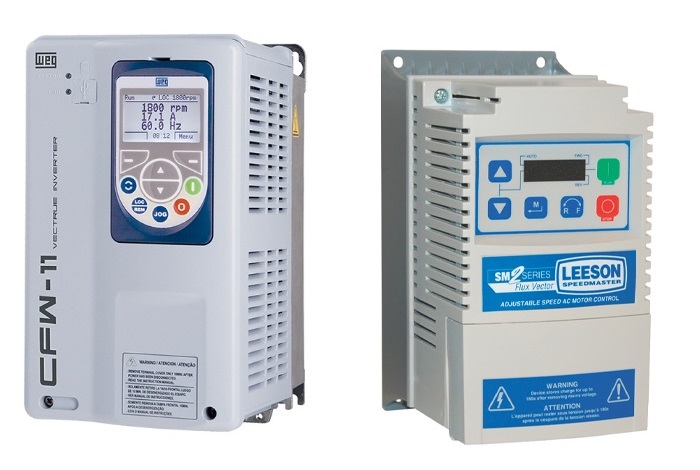
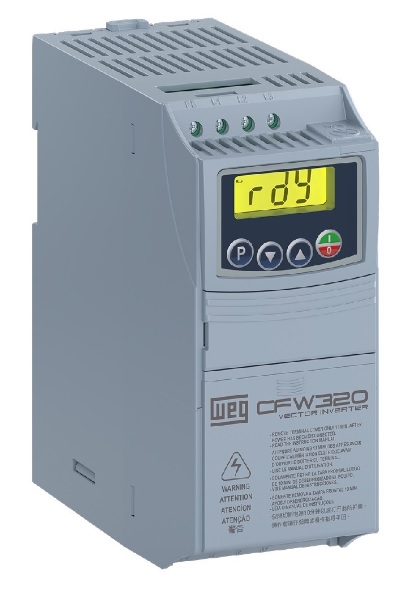
When operating at full power, servomotors can achieve up to 95% efficiency and possess a low power density due to the absence of rotor current, allowing for instantaneous production of 100% torque. This is why servo motors are commonly used in electric cars. While the servomotor itself has received much attention, the encoder plays a crucial role in improved performance. By providing an accurate record of the rotor position, the encoder greatly impacts the motor's precision. The servomotors used today have evolved from previous generations, utilizing the latest magnet technology and connected to variable speed drives for unmatched performance.
Types of Servo Motors
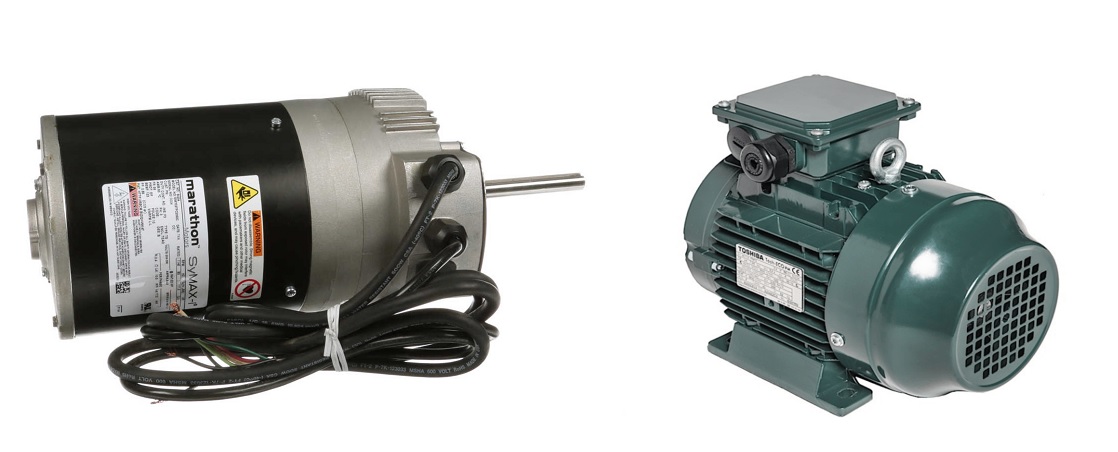
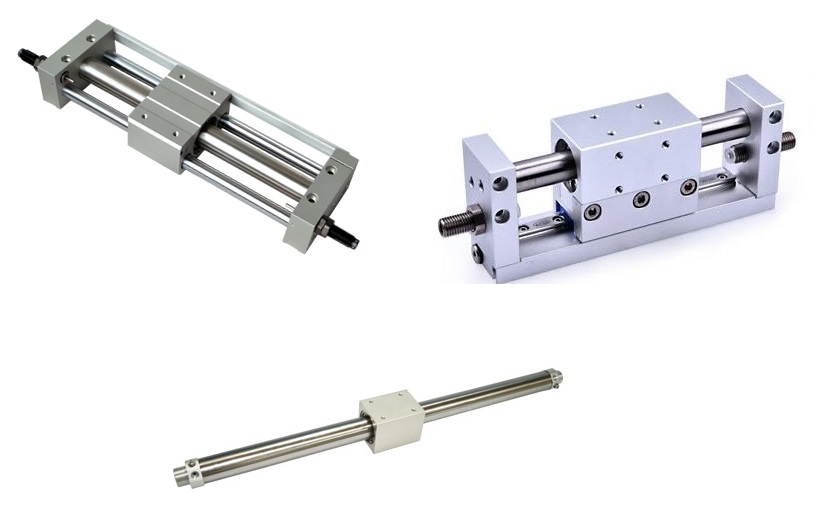
In today's industrial landscape, there are two primary types of servo motors: linear and rotary. Linear motors excel in applications requiring higher speeds, accelerations, direct drive, minimal wear, and high position accuracy. On the other hand, rotary motors offer continuous duty, reversibility, speed proportional to applied voltage, torque proportional to current, and high efficiency.
The choice between linear and rotary motors depends on the application's requirements. Linear motors are preferred for short-move pick and place, inspection equipment, roller coasters, and vehicle launching systems. Meanwhile, rotary motors find applications in woodturning mechanisms, industrial spinning, weaving machines, looms, and knitting machines.
Conclusion
Servo motors, evolving with the latest magnet technology and connected to variable speed drives, provide unmatched performance in terms of speed, size, and efficiency compared to induction motor systems. Although induction motor systems remain a viable option for certain applications due to their lower cost, ruggedness, reliability, and familiarity, the superior capabilities of servo motors make them the preferred choice for many modern industrial setups. As technology advances, servo motors are expected to play a crucial role in shaping the future of automation and robotics.
HVH Industrial Solutions is an authorized distributor of Stober, Bonfiglioili, Wittenstein, and Festo, and we offer a wide range of their products. We work closely with their engineering team to provide superior customer service and engineering support.
If you have any questions, write to us via live chat or call or send us a quote request. The HVH team is always ready to help you
Requesting ... File size should not exceed 20 MB.