How Rodless Pneumatic Cylinders Work? Advantages, and Applications
Introduction
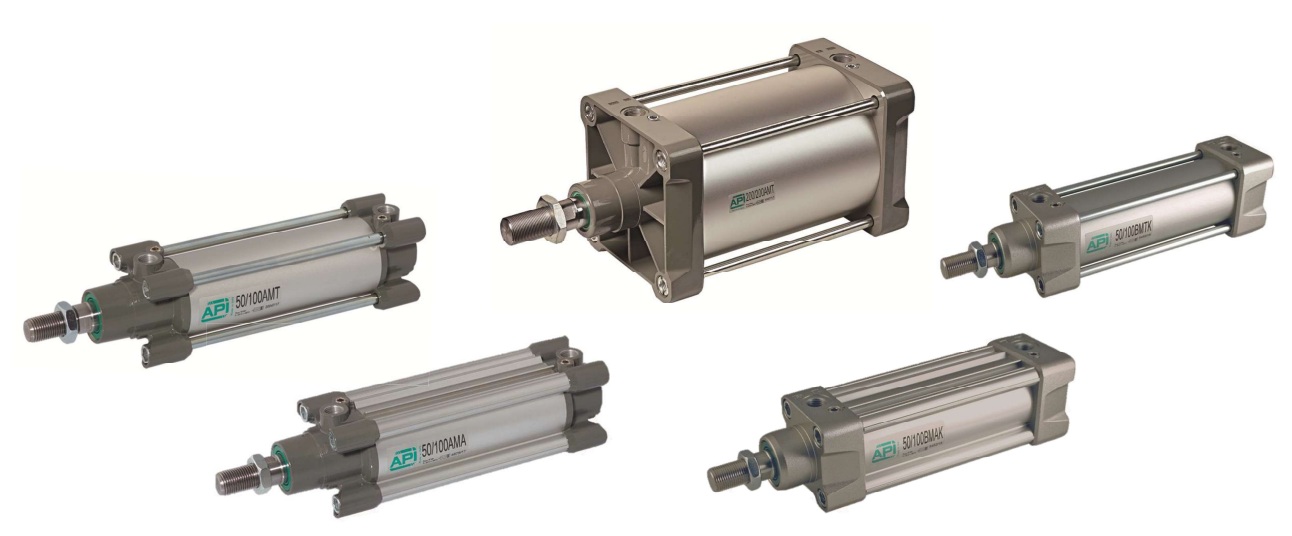
Pneumatic systems are used in industries like metallurgy, metalworking, woodworking, packaging, textiles, and beyond. At the core of any pneumatic drive are pneumatic cylinders—fundamental actuators that convert the energy of compressed air into mechanical work. In this article, we will discuss rodless pneumatic cylinders, exploring their functionality, advantages, disadvantages, and key applications.
What are Rodless Pneumatic Cylinders
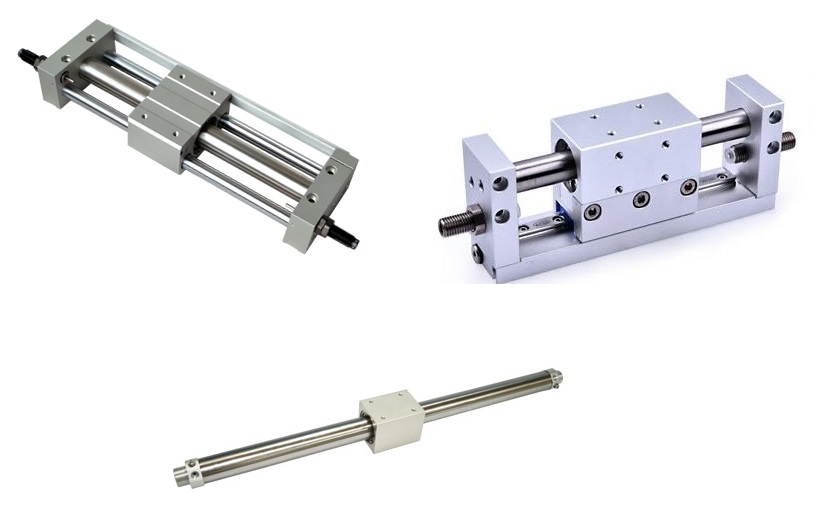
Rodless pneumatic cylinders, a cutting-edge solution, fill the gaps where traditional cylinders fall short due to space constraints. Rodless pneumatic cylinders boast a unique design featuring a longitudinal groove that facilitates a robust connection between the piston and a movable carriage using a plate. Special magnets ensure a secure seal, preventing air leakage and safeguarding against dust intrusion.
Installation of rodless pneumatic cylinders is versatile, achieved either through dedicated mounting holes on covers or intermediate brackets. What sets these cylinders apart is their exceptional reliability, minimizing external compressed air losses, and ability to withstand heavy loads while requiring less installation space than traditional cylinders.
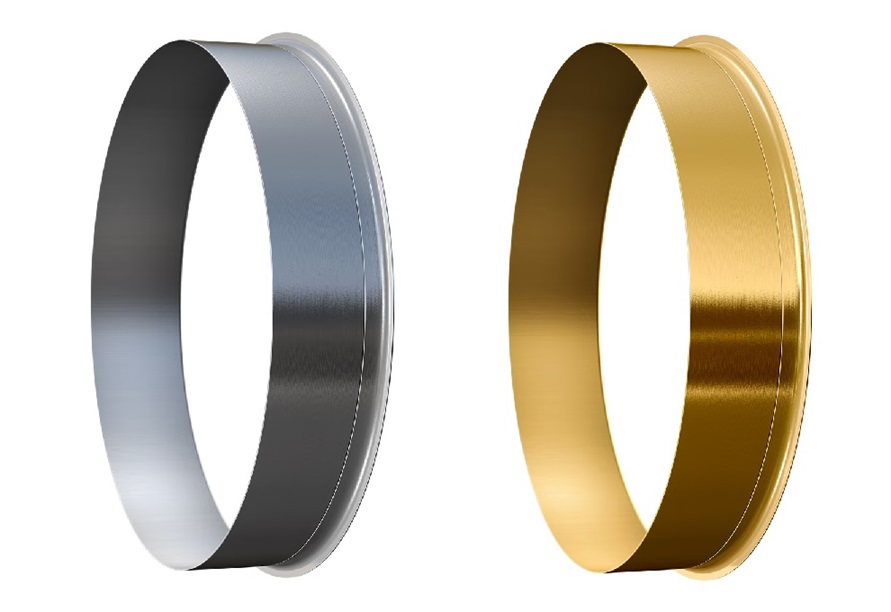
A closer look at the design reveals four key components working seamlessly together: a flexible, hardened stainless steel inner strip providing a metal seal, an outer strip preventing foreign particle ingress, an aluminum piston with synthetic bearing rings, and side covers facilitating air supply and cushioning.
Applications and Space Efficiency
Rodless pneumatic cylinders shine in space-constrained environments. For instance, a 25 mm diameter rodless cylinder with a 1000 mm stroke occupies only 1200 mm of space. Ideal for applications demanding repetitive linear motion, cleanliness, space efficiency, and minimal maintenance, these cylinders find use in automated production, processing and packaging, textiles, ceramics, warehousing, pharmaceuticals, chemistry, food production, inspection, and quality control.
Advantages and Disadvantages
Advantages of rodless cylinders include the consistent effort required regardless of the direction of movement, direct connection to the piston without rotation, and a space-saving design that can be customized for specific tasks. On the other hand, the disadvantages include poor tightness which can lead to leakage, the need to select a specific medium pressure type for assembling a three-position valve, and a limited load force that can be increased with the addition of a guide machine.
Conclusion
Pneumatic cylinders are essential for lifting equipment and mechanisms, as well as in the processes of dampening and braking. They function by utilizing compressed air, which is pumped by specialized compressors, to generate pressure within the cylinder's working area. The key benefits of pneumatic cylinders include simple maintenance, fire, and explosion protection, and adaptability to varying temperatures, as well as damp and dusty conditions. These cylinders are also cost-effective and have a long lifespan, making them a top choice for achieving automation objectives.
HVH Industrial Solutions is an authorized distributor of AirTAC and we offer a wide range of their products. We work closely with their engineering team to provide superior customer service and engineering support.
If you have any questions, write to us via live chat or call or send us a quote request. The HVH team is always ready to help you
Requesting ... File size should not exceed 20 MB. Are you sure you want to delete file?