What are Permanent Magnet Motors
Introduction
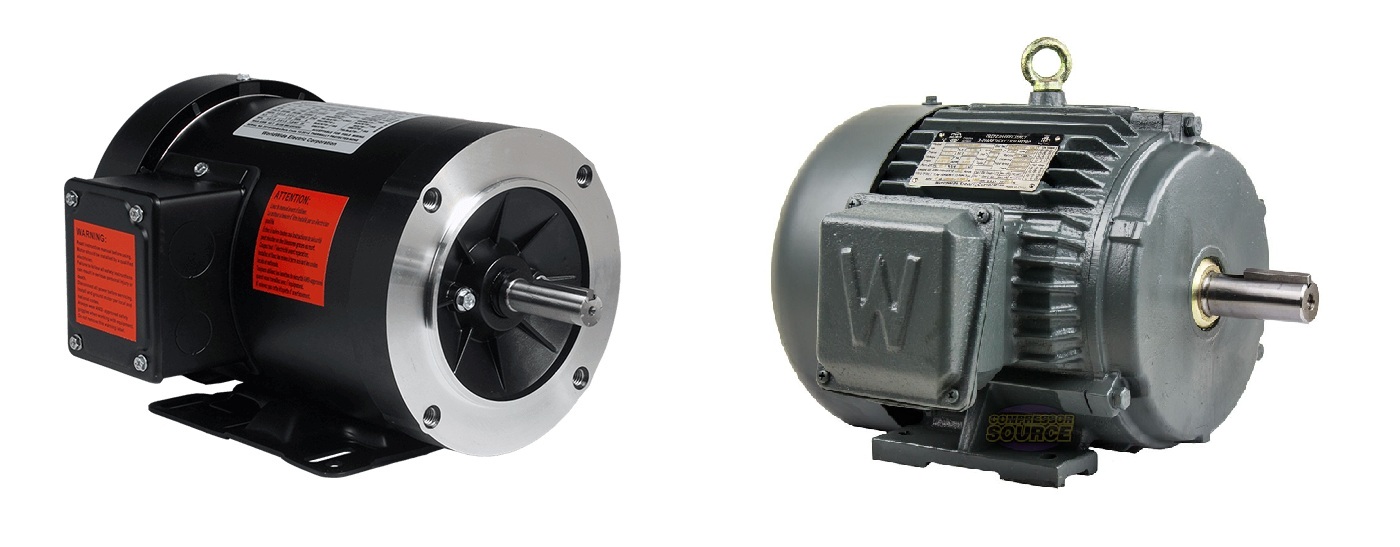
An electric motor is a device that transforms electrical energy into mechanical energy, converting electricity into motion. PM motors (permanent magnet) have become prevalent in today's motor market due to the growing demand for higher power density and improved efficiency levels. In this article, we will discuss the journey of PM motors, tracing their evolution from rudimentary bar magnets to cutting-edge nanocomposite permanent magnets.
History and Early Challenges
The initial electric motors relied on bar magnets and were essentially experimental devices. These magnets were of subpar quality and deemed unsuitable for industrial use. This constraint prompted inventors to explore various sizes, shapes, configurations, and materials of magnets. As a result, modern PM motors now utilize powerful and compact magnets.
Faraday's Groundbreaking Contribution
One of the initial inventors of PM motors was Michael Faraday, who conducted experiments on electrical fields and electromagnetism. He constructed a rotating electrical apparatus that is widely acknowledged as the first electric motor in the world. Faraday devised a mechanism that transformed electrical energy into mechanical motion. This mechanism utilized both stationary and rotating permanent magnets, with wires connected to bowls of mercury and a battery. When the battery was linked to the wires, electric current circulated in the circuit, and the resulting electromagnetic field interacted with the permanent magnets, generating torque and initiating mechanical movement.
Despite early successes, inventors recognized the limitations of permanent magnet motors, particularly in practical applications. In 1882, electrician John Urquhart advocated replacing permanent magnets with electromagnets for applications requiring substantial energy. This shift marked a crucial turning point, enhancing the power output of motors and making them more suitable for industrial use.
Materials Revolution and the Return of PM Motors
During the early 19th century, there was a resurgence in the exploration of different magnetic materials like carbon, cobalt, and tungsten steel. However, these initial findings yielded low-quality magnetic materials. It wasn't until the development of hybrid magnets that the world gained access to high-quality resources suitable for various applications. This breakthrough paved the way for the reintroduction of PM motors.
Extensive research conducted in the 1930s led to the discovery that combining significant amounts of aluminum, nickel, cobalt, and iron resulted in a highly efficient and commercially viable PM produced through conventional ingot casting. These magnets, known as "alnico," were 100 times stronger than natural lodestones. In the 1950s, ceramic (ferrite) permanent magnets emerged and found use in small appliance motors. However, the 1960s marked another significant advancement in the utilization of PMs in electric motors with the invention of rare-earth metal (samarium) and cobalt compounds. While these PM materials were noteworthy on their own, they were soon surpassed by the introduction of neodymium-iron-boron PMs in the 1980s, which boasted higher strength and were more common than the rare samarium and cobalt.
PM Motors Advantages
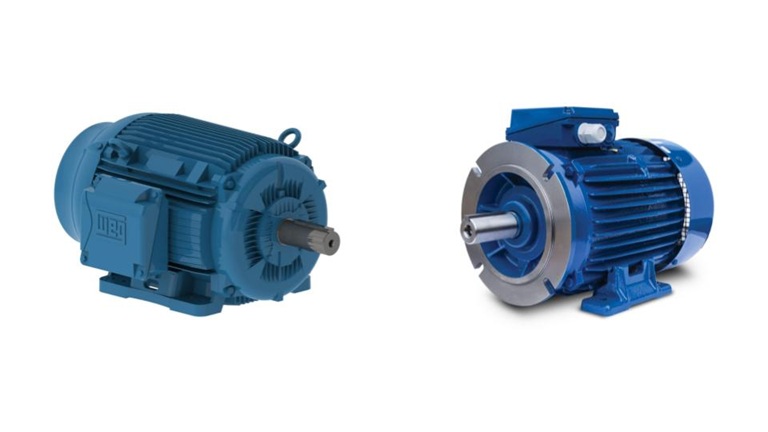
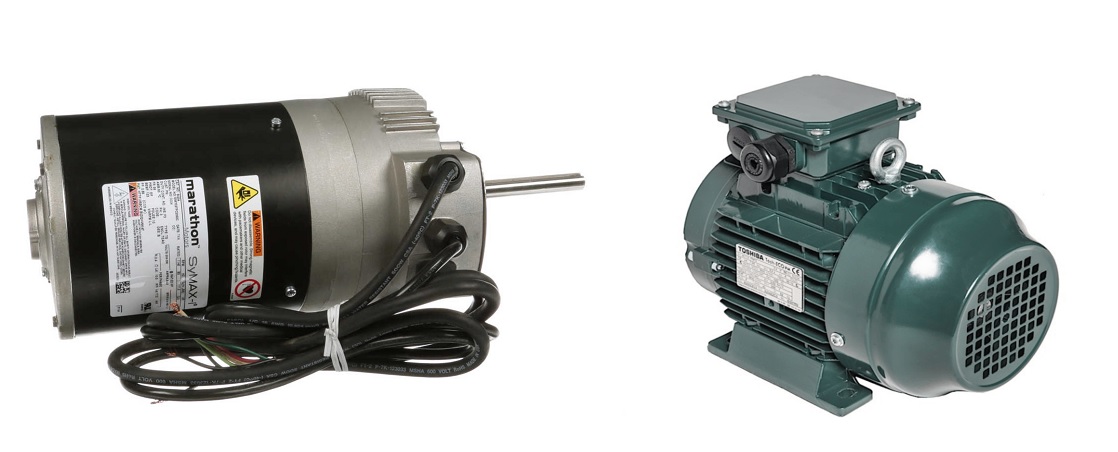
Unlike induction motors, PM motors don't rely solely on current for magnetization. Instead, the rotor contains permanent magnets that interact with the induced magnetic fields generated by electrical input to the stator. This design offers numerous advantages, including longer operating life, improved efficiency, better thermal resistance, and reduced size and weight. PM motors have become prevalent in industrial applications such as pumps, fans, compressors, and traction systems despite being more expensive than induction motors.
Innovations and Future Prospects
Today, the use of Permanent Magnet Assisted Synchronous Reluctance Motors (PMASynRM) and nanocomposite permanent magnets is prevalent. Adding permanent magnets to the rotor construction of synchronous reluctance motors offers several benefits, including an increased motor power factor and reduced stator Ohmic losses. These losses account for the majority of the motor's total losses. Additionally, the use of reluctance torque reduces the reliance on expensive permanent magnet materials, making this solution more cost-effective compared to traditional PM motors.
Conclusion
The usage of PM motors will continue to expand as they find applications in various industries. Innovations like nanocomposite permanent magnets hint at a future where PM electric motors play a pivotal role in various industries. Nanocomposite magnets are currently employed in biomedicine, magnetic storage media, magnetic particle separation, sensors, catalysts, and pigments. In the future, nanocomposite magnetic materials may have even broader applications.
HVH Industrial Solutions is an authorized distributor of Toshiba, Weg, Marathon Motors, Nidec, Leeson, and Bonfiglioili, and we offer a wide range of their products. We work closely with their engineering team to provide superior customer service and engineering support.
If you have any questions, write to us via live chat or call or send us a quote request. The HVH team is always ready to help you
Requesting ... File size should not exceed 20 MB.