What are AC Induction Motors
What Is an AC Induction Motor?
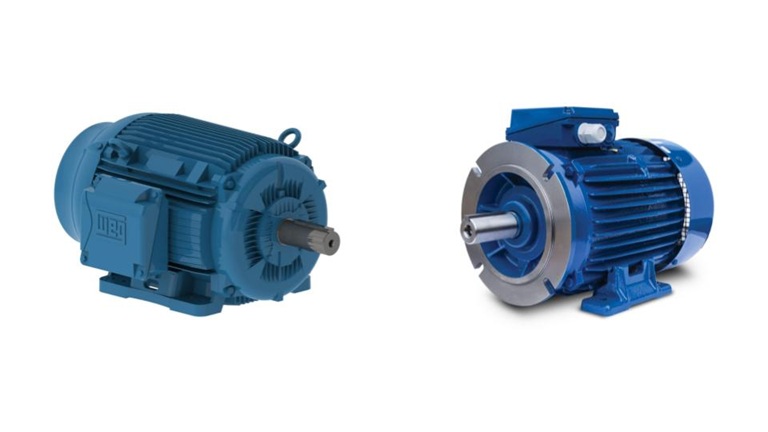
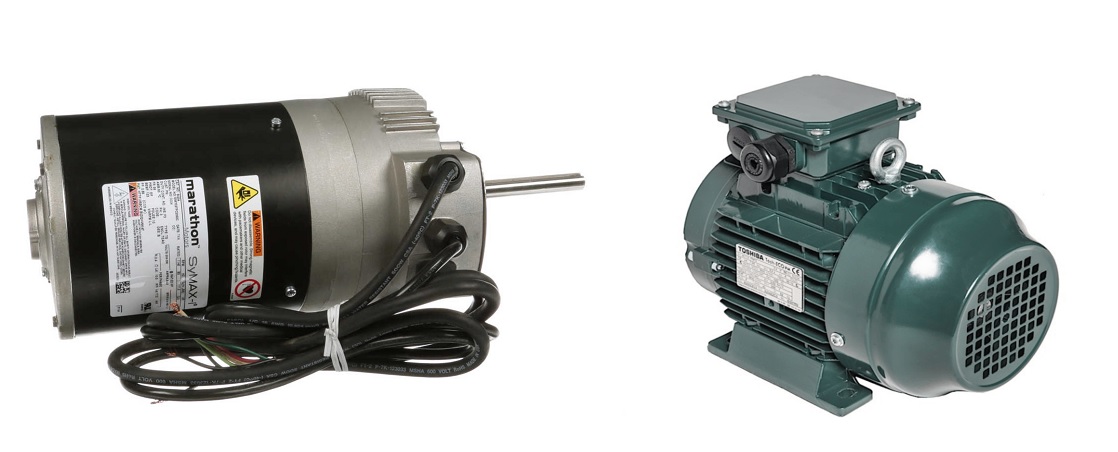
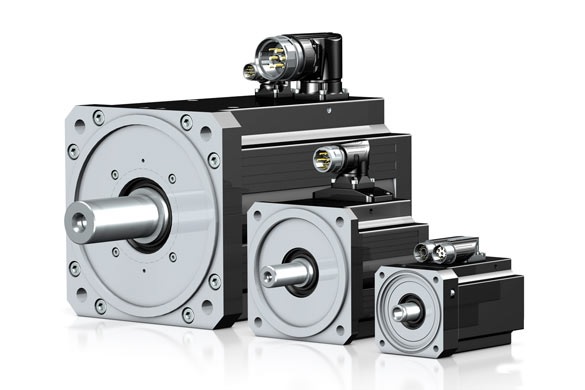
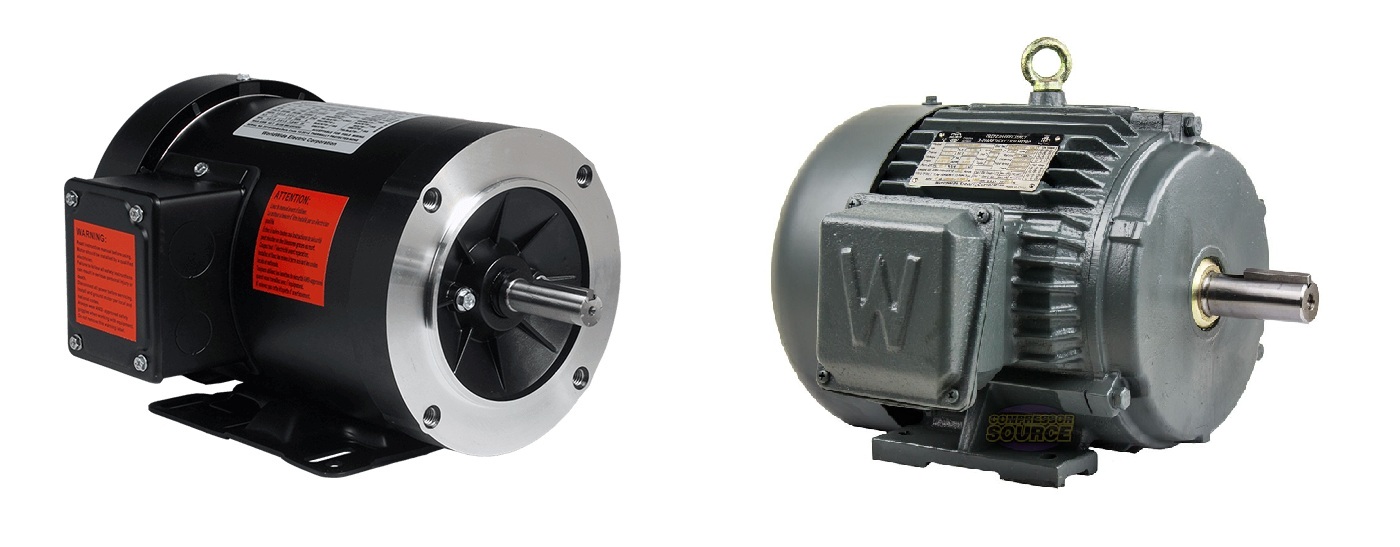
An AC induction motor, often called an asynchronous motor, is an electric motor in which torque is generated by electromagnetic induction rather than direct electrical connections to the rotor. The stator, the stationary part, generates a rotating magnetic field when energized with AC power. This magnetic field induces a current in the rotor, and the resulting interaction creates a force (torque) that causes the rotor to turn. Induction motors are available in single-phase and three-phase versions, each suited to particular voltage levels and load requirements.
Key Components
-
Stator: Laminated steel with wound copper or aluminum coils, which produces the rotating field.
-
Rotor: Either a squirrel cage (for simplicity and durability) or a wound rotor (for speed/torque adjustments).
-
Slip: The difference in speed between the stator field (synchronous speed) and rotor (actual speed); necessary for torque generation.
Horsepower in AC Induction Motors
Horsepower (HP) is the standard unit for measuring an AC induction motor's mechanical output power. It reflects the motor’s ability to perform work, namely, to drive machinery under load. One horsepower equals 746 watts of power output. As loads increase, more horsepower is needed to sustain performance without overloading the motor.
Horsepower Calculation

-
Torque: Rotational force applied to the motor shaft.
-
Speed: Shaft rotation rate, measured in revolutions per minute (RPM).
A motor’s nameplate will always specify rated horsepower, ensuring users match the right motor to their intended application. Always select a motor with an HP rating that meets or slightly exceeds the load requirements to prevent overheating or premature wear.
Types of Torque in Induction Motors
To ensure a motor can reliably start, accelerate, and maintain its load, it’s critical to understand the different torque types identified across the motor’s speed range. Each type relates to a specific stage of operation and is referenced in both technical literature and industry standards (especially by NEMA).
When a motor starts, it generates starting torque (also called locked rotor torque). This is the force available at zero speed that lets the motor break away from standstill and begin moving the load. As the motor picks up speed, it reaches pull-up torque, which is the lowest torque delivered as it accelerates toward full speed. This stage matters most when the load resists movement or presents temporary obstacles that the motor must overcome during acceleration.
The motor’s highest limit is its breakdown (or pull-out) torque, which is the maximum torque it can produce without stalling. If pushed beyond this point, the motor loses stability and stops. Once running steadily, the motor operates at full-load torque. This is its rated torque at normal speed, designed to handle the maximum load safely for continuous, reliable operation.
AC Induction Motor Speed: Synchronous vs. Full-Load RPM
What is Synchronous Speed?
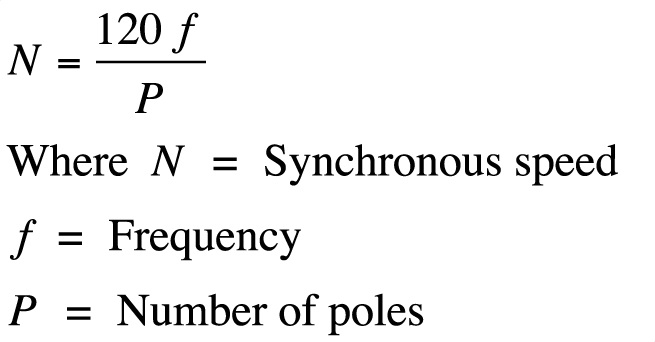
Synchronous speed is the rate at which the stator’s rotating magnetic field spins. This speed is determined solely by the supply frequency and the number of poles in the motor:
What is Full-Load (Actual) Speed?
Because the rotor must “slip” (lag slightly behind the stator field) to generate torque, an induction motor never reaches synchronous speed under load. Full-load speed is always somewhat less, reflecting the necessary slip for operation.
Motor Speed by Frequency and Poles
|
Frequency (Hz) |
Number of Poles |
Synchronous Speed (RPM) |
Typical Full-Load Speed (RPM) |
|
50 |
2 |
3000 |
2900–2950 |
|
50 |
4 |
1500 |
1450–1485 |
|
50 |
6 |
1000 |
950-990 |
|
60 |
2 |
3600 |
3450-3500 |
|
60 |
4 |
1800 |
1750–1785 |
|
60 |
6 |
1200 |
1140–1180 |
Motor Selection Criteria: Key Factors for Optimal Performance
Selecting the correct AC induction motor is not just about horsepower—it requires a comprehensive evaluation of performance, operational needs, and system infrastructure. Consider the following:
1. Power Supply Type and Voltage
-
Single-phase: Simpler, limited to smaller (<5 HP) loads; ideal for homes, offices.
-
Three-phase: Preferred in industry; supports higher power, greater efficiency.
2. Application and Load Type
-
Load Character: Constant torque (e.g., conveyors), variable torque (e.g., fans/pumps), high-inertia or frequent starts (e.g., crushers).
-
Required Starting and Peak Torque: Applications with heavy start-up loads need higher starting/pull-up torque and possibly wound-rotor or special-design motors.
3. Speed Requirements
-
Match synchronous and full-load speed (pole/frequency selection) to the driven machine.
-
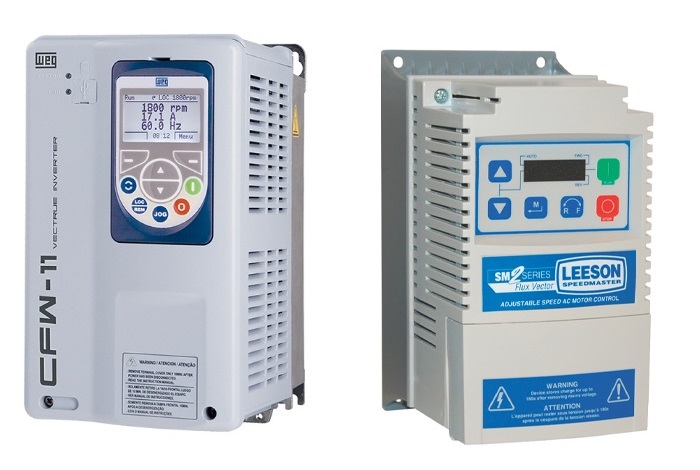
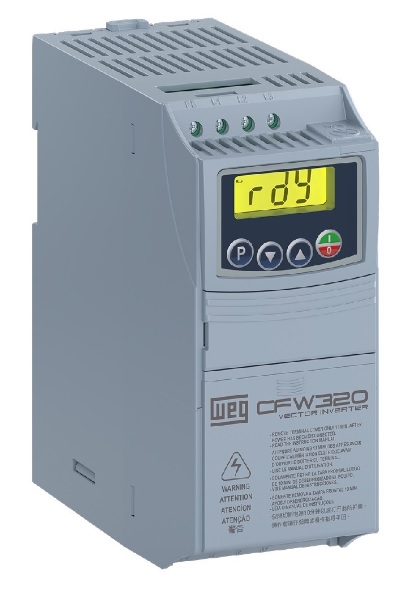
Consider variable frequency drive (VFD) compatibility for adjustable speed systems.
4. Duty Cycle and Service Factor
-
Continuous-duty motors: Standard for most industrial processes.
-
Service Factor: Extra capacity for handling brief overloads without risk.
5. Efficiency and Power Factor
-
Select high-efficiency models for energy-intensive or continuous-use applications, lowering total operational cost.
6. Environmental and Mechanical Constraints
-
Enclosure Type: Consider open drip-proof (ODP), totally enclosed fan-cooled (TEFC), or explosion-proof enclosures.
-
Temperature, humidity, dust/corrosion, ambient conditions: Affect insulation type and cooling.
7. Nameplate Data Review
-
Always verify: voltage, rated amps, speed (RPM), torque, power factor, efficiency, insulation class, design letter (A, B, C, D), and frame size.
-
Insist on NEMA or IEC compliance for reliability and interchangeability1865.
8. Cost Considerations
-
Balance initial purchase price with long-term costs, including energy use, maintenance, and potential downtime from incorrect selection.
Conclusion
AC induction motors are valued for their reliability, efficiency, and adaptability across countless applications. By understanding horsepower, torque, speed, and selection criteria, you can choose a motor that meets your load demands, maximizes energy efficiency, and ensures long‑term performance. The right choice today means dependable power and lower operating costs for years to come.
Feel free to Contact Us if you have any questions, need more information, or are interested in purchasing a synchronous or asynchronous electric motor.
HVH Industrial Solutions is an authorized distributor of WEG, LEESON Motors, Marathon Motors, Elektrim Motors, WorldWide Electric, Toshiba, Brook Crompton, and many others. We work closely with their engineering team to provide superior customer service and engineering support.
Requesting ...
File size should not exceed 20 MB.